If you’ve ever watched a Halloween movie, chances are you’ve heard the music of Modest Mussorgsky’s Night on Bald Mountain even if you didn’t know it at the time!
With its ominous brass, frantic strings, eerie woodwinds and unmistakably supernatural atmosphere, Night on Bald Mountain has become one of classical music’s most recognizable pieces of Halloween music. And while it was written in the 19th century, its influence on movies, animation and pop culture continues to this day.
It All Started With a Witches’ Sabbath
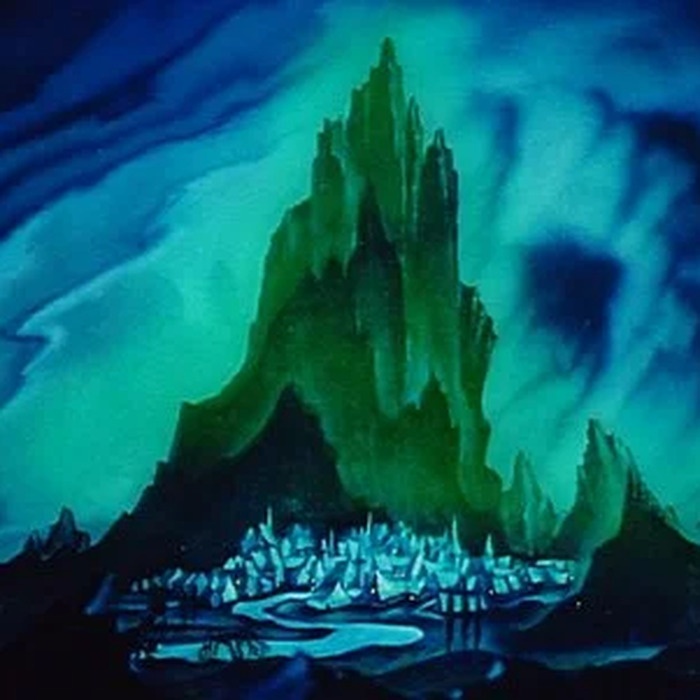
Mussorgsky began working on Night on Bald Mountain in the 1860s, inspired by Russian legends surrounding a witches’ sabbath on Bald Mountain. His original 1867 version was titled St. John’s Night on the Bare Mountain and was intended to depict witches gathering, the arrival of Satan, a celebration of the Sabbath and the eventual dispersal of the spirits at daybreak.
But the piece had a long and complicated journey before audiences ever heard it.
Mussorgsky revised the music several times and incorporated portions of it into other projects, but Night on Bald Mountain was never performed during his lifetime. Five years after his death, his friend and fellow Russian composer Nikolai Rimsky-Korsakov revised and re-orchestrated the piece. His version premiered in St. Petersburg in 1886 and became the version that audiences around the world came to know.
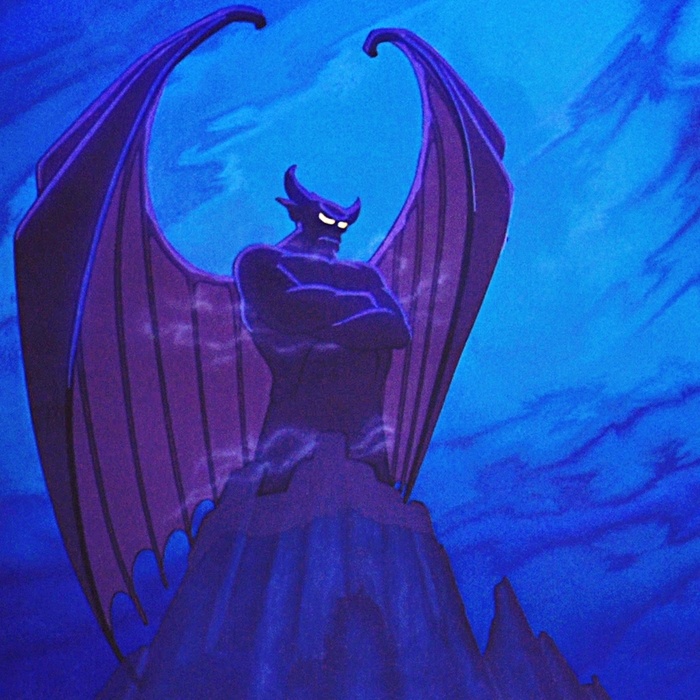
In 1940, Night on Bald Mountain became the centerpiece of one of the most memorable sequences in Walt Disney's Fantasia.
The sequence features Chernabog, a gigantic winged demon, summoning spirits from their graves and presiding over a terrifying supernatural celebration on top of the mountain. As the music reaches its wildest moments, ghosts, demons and other creatures fill the screen before the arrival of dawn brings the scene to an end.
Disney’s version used Leopold Stokowski’s arrangement of the piece, performed by the Philadelphia Orchestra. The film premiered on November 13, 1940, and introduced Night on Bald Mountain to millions of moviegoers who may have never encountered Mussorgsky’s music in a concert hall.
Why Does Night on Bald Mountain Sound So Scary?
Part of what makes the piece so effective is that Mussorgsky doesn't simply give us a melody that sounds “scary.” He creates an entire supernatural world through the orchestra.
Low strings and winds create an ominous rumble. Brass instruments announce the arrival of the demons. Woodwinds chatter and shriek. Percussion adds weight and chaos.
Rimsky-Korsakov's version even provides a dramatic storyline: supernatural voices emerge, spirits of darkness appear, Satan arrives, the Sabbath begins, and eventually the ringing of a distant church bell sends the spirits away as dawn breaks.
It's basically a horror movie without the movie.
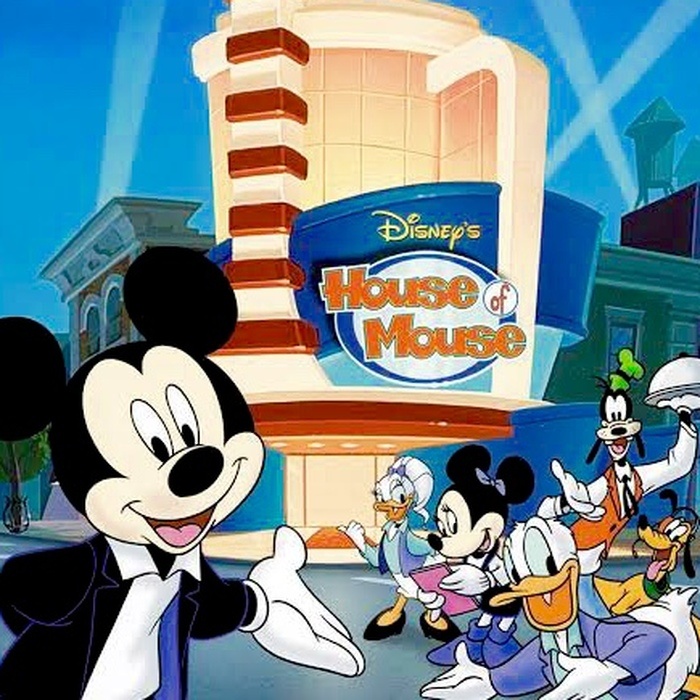
The success of Fantasia helped cement Night on Bald Mountain as a piece of music audiences associate with supernatural imagery. Its instantly recognizable sound has continued to appear in films, television and other popular media, while Chernabog himself has returned in Disney productions including Fantasia 2000 and House of Mouse.
There's something fascinating about that longevity. Mussorgsky wrote the original music in 1867, long before film even existed. More than 70 years later, Disney found in that music the perfect soundtrack for one of the most visually striking scenes in animation history.
And more than 80 years after Fantasia, it still sounds terrifying.
Experience the Original Horror Movie
There's a reason Night on Bald Mountain continues to work so well in a concert hall.
Without animation, special effects or dialogue, the orchestra has to create the entire scene for you. You can almost hear the spirits gathering. You can feel the frenzy building. And when the dawn finally arrives, the contrast is just as powerful.
That's part of what makes Beautiful Monsters such a fun Halloween concert. The program brings together music that has a natural connection to the worlds of fantasy, horror and the supernatural.
John Williams opens the concert with “Devil's Dance” from The Witches of Eastwick, followed by Mussorgsky's Night on Bald Mountain. Pianist Derek Wang then takes the stage for Liszt's Totentanz, or “Dance of Death,” before the concert descends into the hallucinations, witches and madness of Berlioz's Symphonie Fantastique.
About the Des Moines Symphony & Academy
The Des Moines Symphony & Academy believes live music connects us. We create extraordinary concert experiences and transformative educational opportunities that welcome and inspire people of all ages across Central Iowa. Through dedicated teaching, innovative programming, and powerful performances of great symphonic music, we serve our community with artistry, excellence, and heart.
Check out our concerts and events, subscribe, or support our tradition of musical excellence!